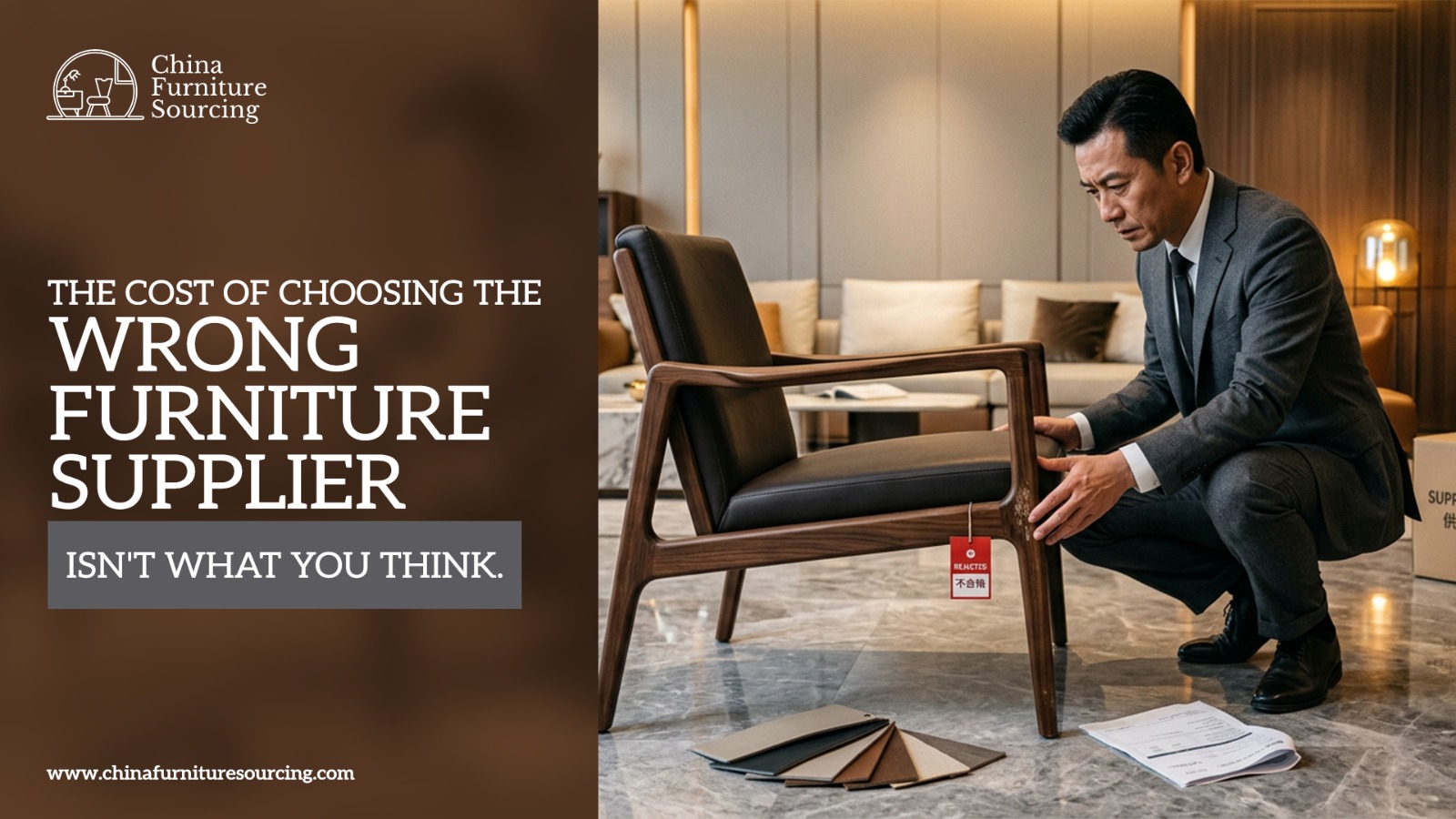
Furniture sourcing may seem straightforward. Find a supplier, select products, place an order, and wait for delivery. However, successful sourcing requires careful planning, supplier evaluation, quality control, and logistics coordination. Many businesses, developers, and interior designers face sourcing challenges not because of poor products, but because of avoidable mistakes made during the process.
Most Problems Begin Before Production
One of the biggest reasons furniture sourcing projects encounter difficulties is inadequate planning.
Many buyers spend considerable time selecting products while overlooking critical details such as dimensions, material specifications, production timelines, installation requirements, and project objectives. Even high-quality furniture can become problematic if it does not fit the intended space or project requirements.
A successful sourcing project starts with clear specifications, realistic timelines, and well-defined expectations.
Choosing Suppliers Based Only on Price
Budget is always important, but selecting a supplier solely because they offer the lowest price can create challenges later.
Lower-cost suppliers may sometimes result in:
- Inconsistent product quality
- Lower-grade materials
- Production delays
- Poor packaging standards
- Limited support
The right supplier should be evaluated based on reliability, manufacturing capabilities, quality standards, and proven performance, not just pricing.
Skipping Quality Inspections
Another common mistake is relying entirely on product photos and catalogs.
Images often fail to reveal important details. Without proper inspections, buyers may receive products with:
- Finish imperfections
- Material inconsistencies
- Color variations
- Structural issues
- Transit-related damage
Quality inspections during production and before shipment help identify problems early, reducing costly surprises upon delivery.
Poor Communication Leads to Costly Errors
Furniture sourcing projects often involve manufacturers, sourcing teams, logistics providers, designers, and project managers.
When communication is unclear, mistakes become more likely. Misunderstood specifications, incorrect measurements, delayed approvals, and missed deadlines can quickly affect budgets and timelines.
Consistent communication helps keep all stakeholders aligned and projects moving efficiently.
Logistics Should Never Be an Afterthought
Many sourcing projects focus heavily on manufacturing while giving little attention to logistics planning.
However, shipping schedules, customs procedures, warehousing, and final delivery can significantly impact project timelines. Unexpected transportation delays can disrupt installations and affect project completion dates.
Planning logistics early helps minimize risks and ensures products arrive on schedule.
Maintaining Design Consistency
For larger projects, furniture is often sourced from multiple manufacturers. Without proper coordination, differences in materials, finishes, colors, and proportions can create an inconsistent appearance.
Maintaining a cohesive design aesthetic requires careful supplier coordination and attention to detail throughout the sourcing process.
Conclusion
Furniture sourcing projects rarely fail because of the furniture itself. More often, challenges arise from planning gaps, supplier selection mistakes, poor communication, inadequate quality control, and weak logistics management.
With the right approach, these issues can be avoided. Successful sourcing is built on preparation, consistency, and reliable execution from start to finish.
Partner with China Furniture Sourcing
At China Furniture Sourcing (CFS), we help businesses, developers, retailers, and interior designers source furniture with confidence. From supplier verification and quality inspections to logistics coordination and project support, we ensure a smoother sourcing experience that helps reduce risks and improve project outcomes.
Looking to simplify your next furniture sourcing project? Visit https://chinafurnituresourcing.com/ to learn how CFS can help.